
Why Does My Child Have Trouble Starting Tasks?
Have you ever asked your child to start their homework, clean their room, or get ready for school—only to be met with delays, distractions, or repeated reminders? It can be frustrating for parents, especially when it seems like the task should be simple. However, difficulty getting started is often about more than a lack of motivation or willingness.
For many children, task initiation is a skill that develops over time. Understanding why your child has trouble starting tasks can help you provide the support they need to become more confident and independent.
What Is Task Initiation?
Task initiation is an executive functioning skill that allows a person to begin a task without excessive procrastination or prompting. It involves organizing thoughts, making a plan, and taking the first step.
When children struggle with task initiation, they may:
- Put off starting homework or chores.
- Become distracted before they begin.
- Say, “I don’t know where to start.”
- Seem overwhelmed by simple requests.
- Need frequent reminders to get going.
This doesn’t necessarily mean they’re being defiant or lazy. Often, they’re unsure how to move from thinking about a task to actually doing it.
Why Is Starting So Difficult?
There are several reasons a child may have trouble getting started.
The Task Feels Too Big
When children look at an assignment or responsibility as one large task, it can feel overwhelming. They may not know which step to tackle first, causing them to freeze instead of begin.
Fear of Making Mistakes
Some children worry about getting something wrong. Rather than risk making a mistake, they avoid starting altogether.
Difficulty Shifting Attention
Moving from one activity to another requires mental flexibility. If a child is deeply engaged in play or another preferred activity, transitioning can be especially challenging.
Low Confidence
Children who have struggled with certain tasks in the past may begin to doubt their abilities. This lack of confidence can make getting started feel intimidating.
How Parents Can Help
Break Tasks into Small Steps
Instead of saying, “Do your homework,” try, “Let’s start with the first math problem.” Smaller steps feel more manageable and help build momentum.
Create Predictable Routines
When homework, chores, or morning routines happen at the same time each day, children know what to expect. Consistency reduces uncertainty and makes starting easier.
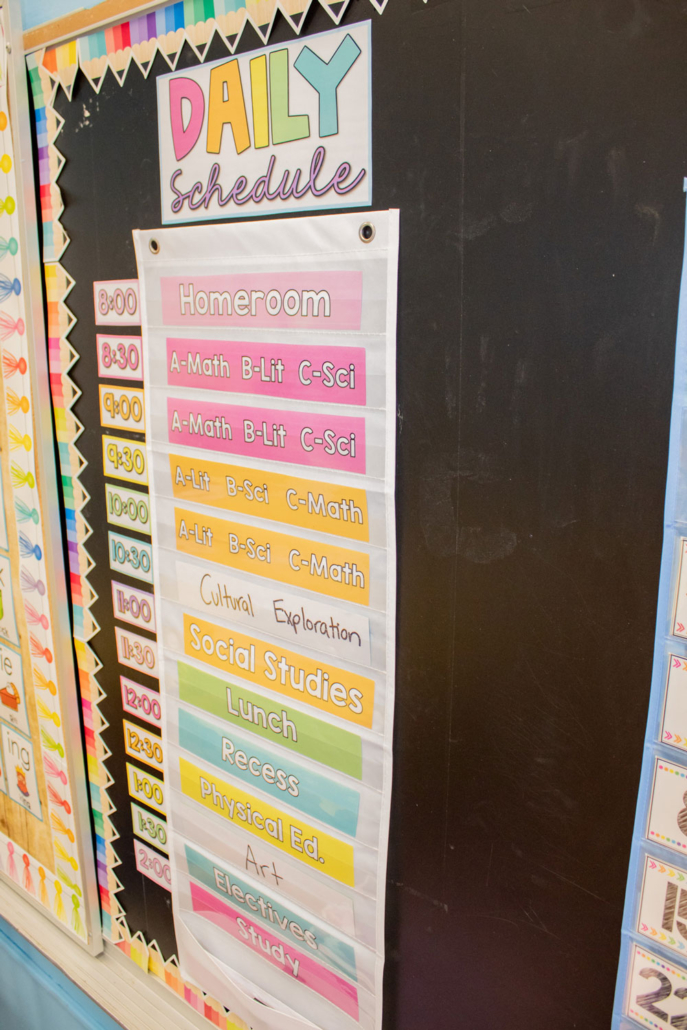
Use Visual Supports
Checklists, planners, or visual schedules can help children organize tasks and see what comes next. Crossing off completed steps also gives them a sense of accomplishment.
Celebrate Progress
Recognize effort, not just completion. Positive comments like, “You got started right away,” or “I noticed you kept going even when it was challenging,” help build confidence and encourage independence.
Offer Gentle Guidance
If your child seems stuck, ask questions instead of taking over:
- “What’s the first thing you need to do?”
- “Would it help to work together on the first step?”
This encourages problem-solving while still providing support.
Learning to start tasks independently is a skill that takes time and practice. By understanding what may be making it difficult and providing the right supports, parents can help children develop confidence, organization, and perseverance.
At Chapel Hill Academy, we know that success often begins with one small step. Supporting children as they build executive functioning skills helps prepare them for greater independence both in and out of the classroom.
For more parenting strategies and educational resources, visit the Chapel Hill Academy blog page.


