
Fostering Gratitude and Empathy in Children: Teaching Kindness and Appreciation
As the holidays approach, families often look forward to connection, traditions, and giving. This season also provides a meaningful opportunity to help children practice gratitude and empathy; two skills that build stronger relationships, encourage kindness, and promote emotional growth.
Some children may need extra support learning how to identify feelings, express appreciation, and understand the perspectives of others. With the right guidance, parents and caregivers can nurture these qualities in ways that feel manageable and rewarding.
Why Gratitude and Empathy Matter
Gratitude encourages children to focus on the positives in their lives and develop appreciation for the people and experiences around them. Empathy helps them understand and respond to how others are feeling. Together, these skills strengthen self-regulation, social confidence, and resilience, important tools that benefit both school and home life.
Age-Appropriate Ways to Encourage Gratitude and Empathy
- Younger Children (Ages 3–7)
- Model simple language of thanks: Say things like, “I’m thankful you helped me put away toys.” Hearing gratitude in everyday interactions makes it easier for them to imitate.
- Use stories and visuals: Picture books and short stories that show characters being kind or helping others can spark discussions about feelings.
- Practice small kindnesses: Encourage sharing a favorite toy for a few minutes or drawing a picture for a family member.
- Elementary Age (Ages 8–11)
- Start a gratitude jar: Have your child write or draw one thing they’re thankful for each day and place it in a jar to look back on later.
- Role-play perspective-taking: Act out scenarios together—like how someone feels if a friend invites them to play versus being left out.
- Highlight real moments: After playdates or group activities, ask, “How do you think your friend felt when you shared?”
- Pre-Teens and Teens (Ages 12+)
- Encourage reflection: Journaling about one positive event or challenge they overcame can build awareness of growth and gratitude.
- Volunteer or help with family responsibilities: Community service, helping with meals, or assisting younger siblings provides natural opportunities to practice empathy.
- Use real-life discussions: Talk about situations they see at school or in the news, focusing on how people might feel and what supportive responses could look like.
Everyday Opportunities
Kindness and appreciation can be built into daily life. Saying “thank you,” noticing when someone is helpful, writing short notes, or even offering a hug are all simple ways to practice. The more children see gratitude and empathy modeled at home, the easier it becomes for them to make these practices their own.
Helping children practice gratitude and empathy is not about perfection, it’s about creating opportunities for reflection, kindness, and connection. As the holiday season approaches, families can use everyday moments to encourage appreciation and compassion. Over time, these small steps help children grow into more caring, thoughtful, and confident individuals.
For more strategies that support growth at home and in school, visit the Chapel Hill Academy’s news page today.



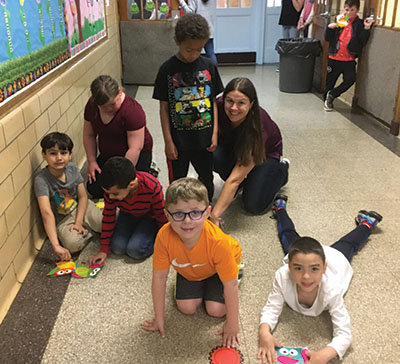 A new sensory hallway at Chapel Hill Academy is giving students the chance to burn off energy and learn to self-regulate so they can be ready for academic learning in the classroom. The hallway features a series of colorful, sequenced decals that guide students as they lizard walk, bunny hop, or skip through a game of hopscotch.
