
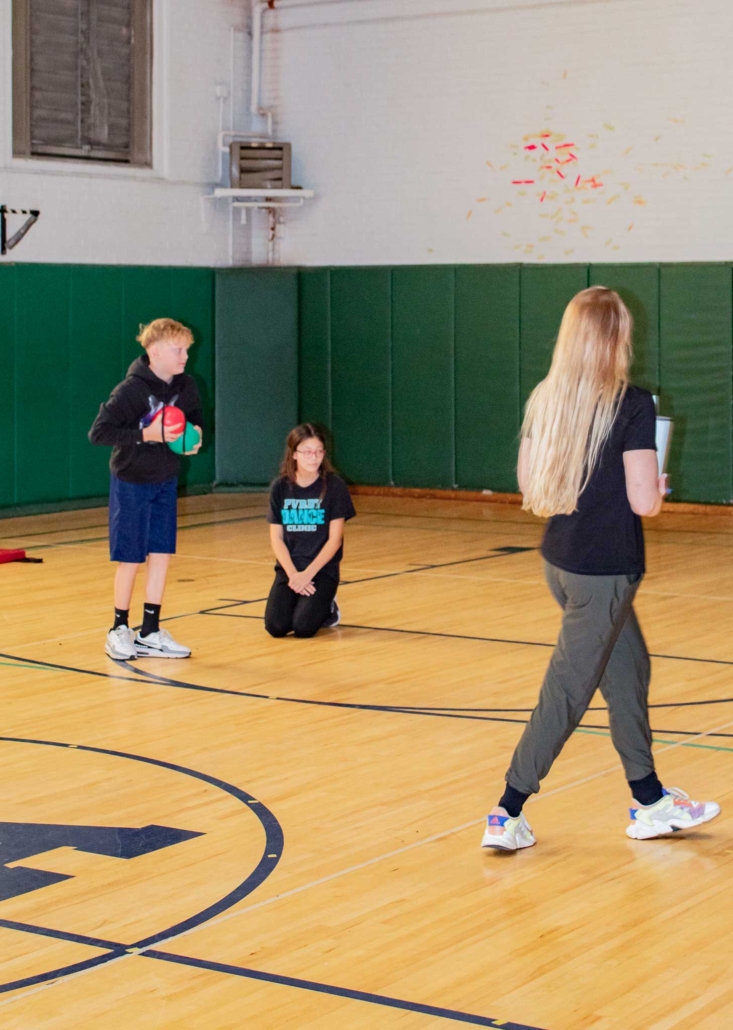
Encouraging Self-Regulation Through Daily Movement
Movement plays a powerful role in a child’s ability to focus, manage emotions, and feel balanced throughout the day. While movement is often associated with physical health, it is just as important for emotional regulation and cognitive functioning. For many children, purposeful movement provides the reset their bodies and minds need to stay engaged and calm.
Incorporating daily movement into routines doesn’t require elaborate plans or structured workouts. Simple, consistent opportunities for movement can make a meaningful difference in how children navigate their day.
Why Movement Supports Self-Regulation
Self-regulation refers to a child’s ability to manage emotions, energy levels, and attention. When children move their bodies, they activate systems in the brain that support focus, emotional control, and stress regulation. Movement helps release built-up energy, reduces tension, and increases blood flow to the brain—making it easier to think clearly and respond calmly.
Children who struggle to sit still, become easily overwhelmed, or have difficulty transitioning between tasks often benefit from regular movement breaks. Rather than being a distraction, movement can actually improve a child’s readiness to learn and interact.
Movement and Emotional Balance
Emotions live in the body as much as the mind. When children feel frustrated, anxious, or overstimulated, movement provides a healthy outlet. Activities like walking, stretching, swinging, or jumping can help regulate breathing and heart rate, bringing the nervous system back to a calmer state.
Movement also helps children recognize their own needs. Over time, they learn that moving their bodies can help them feel better—an important step toward developing lifelong self-regulation skills.
Easy Ways to Build Movement into Daily Routines
1. Start the Day with Movement
Begin mornings with light physical activity such as stretching, yoga poses, or a short walk. This helps children transition into the day feeling grounded and alert.
2. Use Movement Breaks Between Tasks
Short breaks every 20–30 minutes can help reset focus. Simple actions like wall push-ups, jumping jacks, or pacing while thinking can be effective.
3. Make Movement Part of Transitions
Moving between activities can be smoother when movement is built in—walking to music, carrying items, or doing a quick stretch before sitting down.
4. Encourage Outdoor Time
Fresh air and open space naturally invite movement. Even brief outdoor play can help regulate energy levels and improve mood.
5. Follow the Child’s Lead
Some children prefer quiet movement like stretching or balancing, while others benefit from more active play. Pay attention to what helps your child feel calm and focused.
Daily movement is a simple yet powerful tool for supporting self-regulation, emotional balance, and focus. By intentionally incorporating movement into routines, families can help children build awareness of their bodies, manage emotions more effectively, and approach daily tasks with greater confidence.
For more strategies that support emotional growth and learning readiness, visit the Chapel Hill Academy blog and resource page.

